Hit enter to search
CLOSE
Official merchandise is no longer just a side business for sports teams, musicians, or film franchises. Today, more brands use official merchandise as a practical way to extend their brand, add new retail opportunities, and build stronger customer connections.
In simple terms, official merchandise means branded products that people actually want to keep, use, wear, or even buy. These products are not just about putting a logo on an item. They are about turning a brand into something physical that customers can experience in daily life.
That is why more companies in coffee, beauty, bookstores, museums, hospitality, and technology are investing in official merchandise. It gives brands another way to stay visible, create value beyond their main product or service, and make the relationship with customers feel stronger and more memorable.
Official merchandise today means branded products that are intentionally designed to represent a brand, not just advertise it. That is the key difference. A simple giveaway may help with exposure, but official merchandise is usually made to feel more useful, more desirable, and more connected to the brand’s identity.
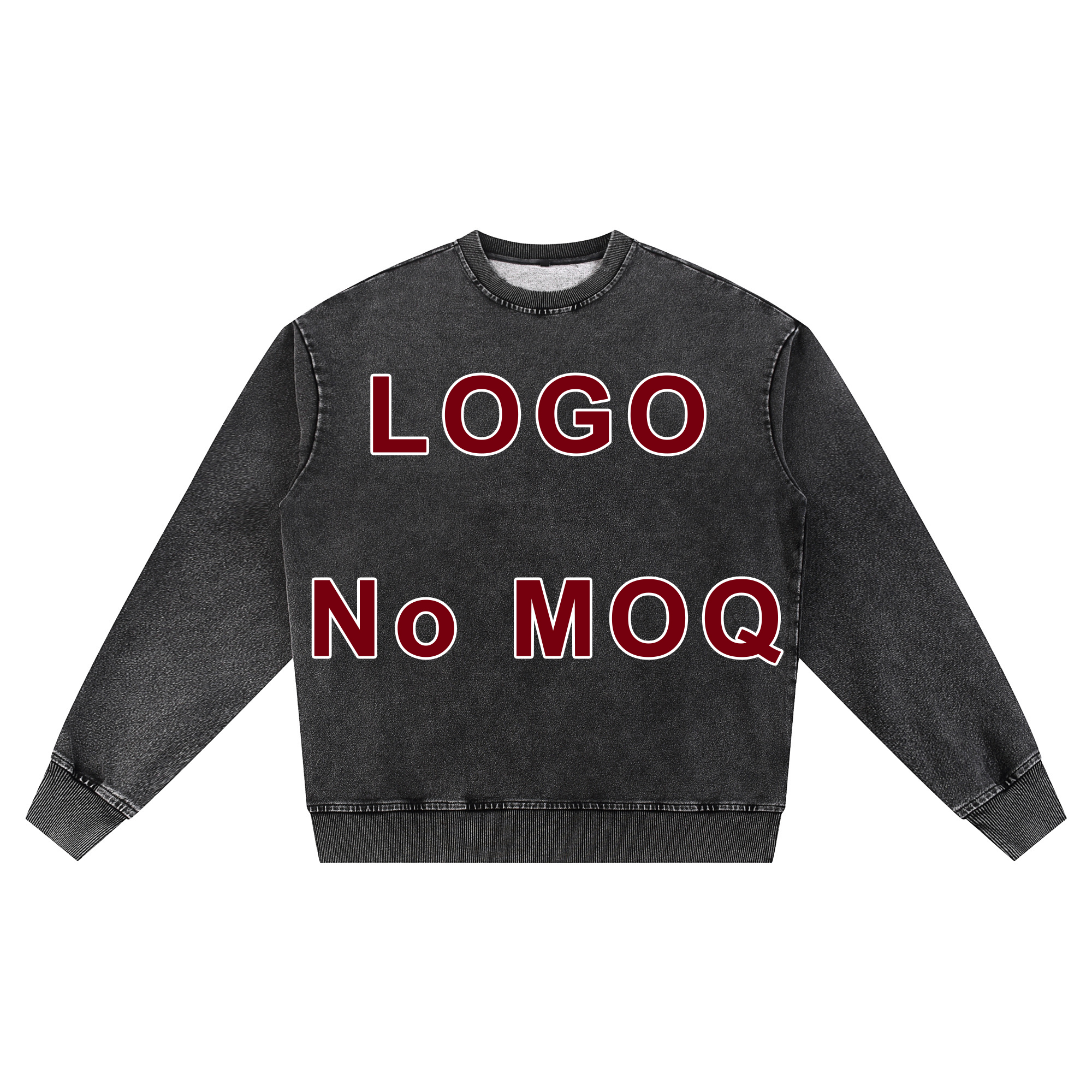
For example, a branded hoodie, mug, tote bag, notebook, cap, or bottle can all be official merchandise if the product is developed as part of the brand experience. The goal is not only to show a logo. The goal is to create something customers are happy to use because it fits the brand’s style, quality, and audience.
A simple way to understand it is this: official merchandise is not just something with a brand name on it. It is a branded product line that helps turn brand identity into something people can physically use and remember.
Official merchandise used to be most closely connected with sports clubs, music artists, gaming brands, and entertainment companies because these industries already had loyal audiences. Fans wanted products that helped them express identity, support what they loved, and feel part of a larger community.
Today, that same customer behavior appears in many other industries. People do not only connect with brands through the main product anymore. They also connect through design, story, experience, lifestyle, and community. That is why official merchandise now makes sense for many businesses that would not have been seen as “merch brands” in the past.
A coffee brand can build merchandise around daily habits and atmosphere. A bookstore can build merchandise around reading culture. A museum can build merchandise around memory and experience. A beauty brand can build merchandise around lifestyle and visual identity. Once a brand means something to people beyond basic function, official merchandise becomes much more relevant.
More brands are investing in official merchandise because it can do several useful jobs at the same time. It can increase brand visibility, support retail sales, strengthen customer loyalty, and make the brand feel more complete. Instead of being just an extra item, merchandise is now often treated as part of a broader branding and growth strategy.
One important reason is that official merchandise extends the life of the brand beyond the main purchase. A customer may only visit a café once a week, but a branded mug or tote bag can keep that café present in everyday life. In the same way, a notebook from a museum, a cap from a beauty brand, or a bottle from a technology company keeps the brand visible long after the original interaction.
Another reason is that official merchandise can create value in different ways. Some products are sold for direct revenue. Some are used for events, community engagement, or loyalty programs. Some help make a brand feel more premium, more established, or more memorable. That flexibility is exactly why more businesses are taking merchandise seriously.
Official merchandise works best in industries where the brand already has a clear personality, a loyal audience, or an experience customers remember. It is especially effective when the brand relationship goes beyond basic function and starts to include lifestyle, community, or emotional value.
The common point across all of these industries is simple: the brand already means something to people. Once that happens, official merchandise becomes a logical extension rather than a forced extra product.
Brands invest in official merchandise because they want more than one result. In many cases, merchandise supports branding goals and commercial goals at the same time. It can help a brand become more visible, more memorable, and more valuable in the eyes of customers.
| Brand Goal | How Official Merchandise Helps |
|---|---|
| Stronger brand awareness | Merchandise puts the brand into daily use, which can increase real-world visibility far beyond digital advertising. |
| Better customer connection | A useful branded product can make customers feel closer to the brand and more likely to remember it positively. |
| Retail extension | Merchandise creates additional products to sell without replacing the main business, which can increase basket value and product range. |
| Repeat engagement | Collections, seasonal drops, and limited editions give customers more reasons to return and interact with the brand again. |
| More event value | At launches, exhibitions, or pop-ups, official merchandise can make the experience feel more memorable and more premium. |
| Additional revenue potential | Some official merchandise products are strong enough to become sellable items that customers genuinely want to purchase. |
The biggest advantage is that official merchandise does not need to serve only one purpose. A well-planned product can support visibility, retail, loyalty, and brand storytelling at the same time.
The best way to think about official merchandise is not as a random extra product, but as part of the brand system. That means the products should make sense for the audience, fit the brand image, and have a clear role. Some items may be better for retail. Some may work better for events. Some may be designed for community, membership, or limited campaigns.
Brands should also remember that simple products can work very well if they are chosen carefully. Not every merchandise line needs to be large or complex. In many cases, a focused collection of useful products that match the brand clearly will perform better than a wide range of generic items.
When brands approach official merchandise in this way, the results are usually much stronger. The products feel more intentional, customers understand the value more clearly, and the merchandise line becomes easier to grow over time.
That is why more brands are investing in official merchandise now. The idea itself is not new, but the strategy behind it has changed. It is no longer only about selling “branded products.” It is about creating products that help the brand live in more places, connect with more people, and generate value in more than one way.