Hit enter to search
CLOSE
The main difference is purpose: official merchandise is sold or kept to build brand loyalty, while promotional products are given away to increase brand awareness.
In simple terms, official merchandise is made to feel valuable, collectible, and brand-connected. Promotional products are made to be distributed widely, used often, and remembered easily.
| Comparison Point | Official Merchandise | Promotional Products |
|---|---|---|
| Purpose | Build brand loyalty, identity, and long-term value | Increase brand awareness, reach, and leads |
| Distribution | Usually sold or offered as premium branded items | Usually given away for free |
| User Expectation | Worth buying, collecting, wearing, or keeping | Useful, practical, and easy to accept |
| Quality Level | Retail-level or premium | Functional, budget-based, or campaign-based |
| Design Style | More lifestyle-focused, brand-led, or subtle | More logo-focused and easy to recognize |
| Common Examples | Hoodies, caps, tumblers, fan items, collectibles | Pens, tote bags, notebooks, lanyards, keychains |
| Best For | Fans, communities, events, creators, teams, retail programs | Trade shows, campaigns, launches, onboarding, lead generation |
Official merchandise is branded product made for a company, event, sports team, artist, university, creator, game, or organization. It is usually designed as part of an official brand system, not just as a simple logo giveaway.
The goal is to make people want to buy it, wear it, collect it, or keep it. That is why official merchandise often needs stronger design, better materials, cleaner finishing, and more consistent packaging.
Official merchandise usually needs better fabric, stronger stitching, cleaner printing, embroidery, custom labels, or packaging details.
The product should match the brand’s style, audience, story, event identity, or fan culture.
A good merchandise item can be worn, reused, collected, or displayed for a long time.
Examples include a music festival hoodie, sports team cap, university sweatshirt, creator-branded tumbler, limited-edition tote bag, or official event gift box.
Promotional products are branded items used for marketing, giveaways, trade shows, direct mail, product launches, corporate events, customer onboarding, and lead generation.
These products are usually given away for free. Their job is not to create a retail product line, but to help more people notice, remember, and interact with a brand.
They are often ordered in larger quantities.
They are usually practical and easy to distribute.
They often show the logo clearly for quick brand recognition.
They help support campaigns, exhibitions, meetings, or sales activities.
They are usually planned around budget, audience, and campaign reach.
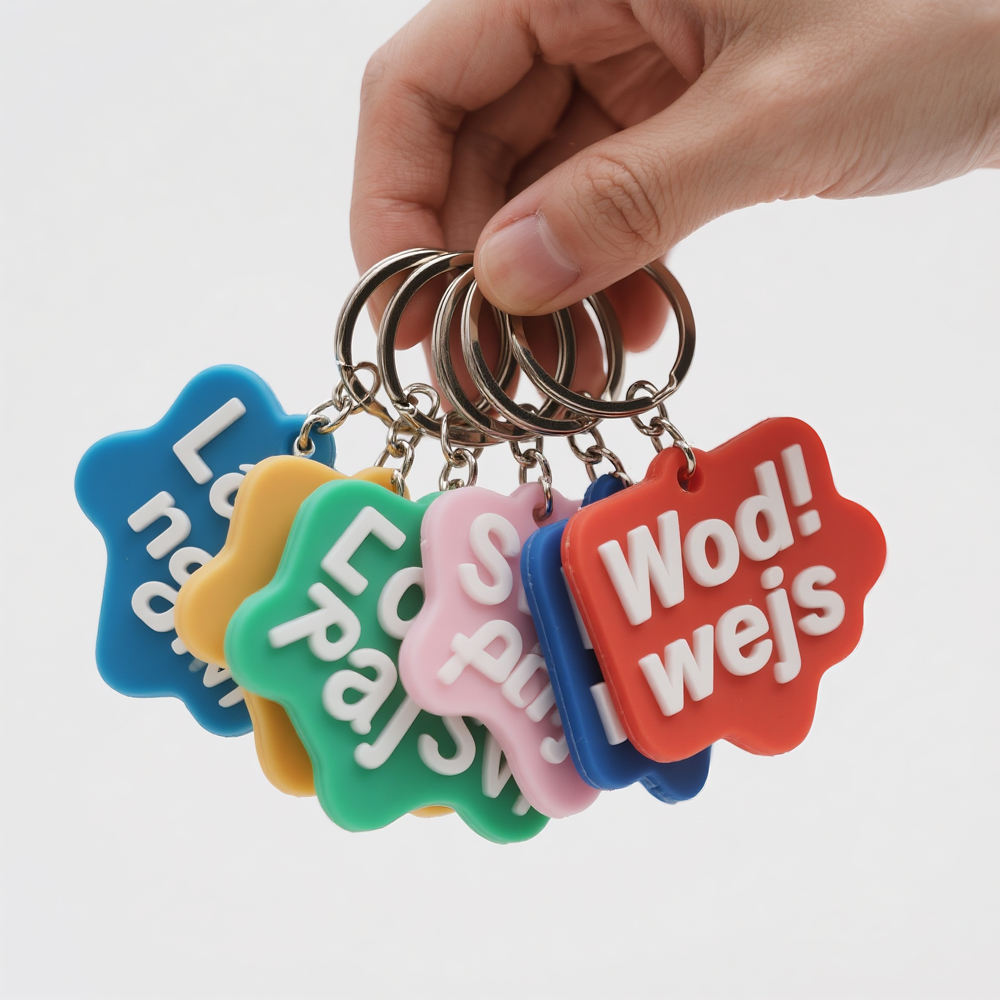
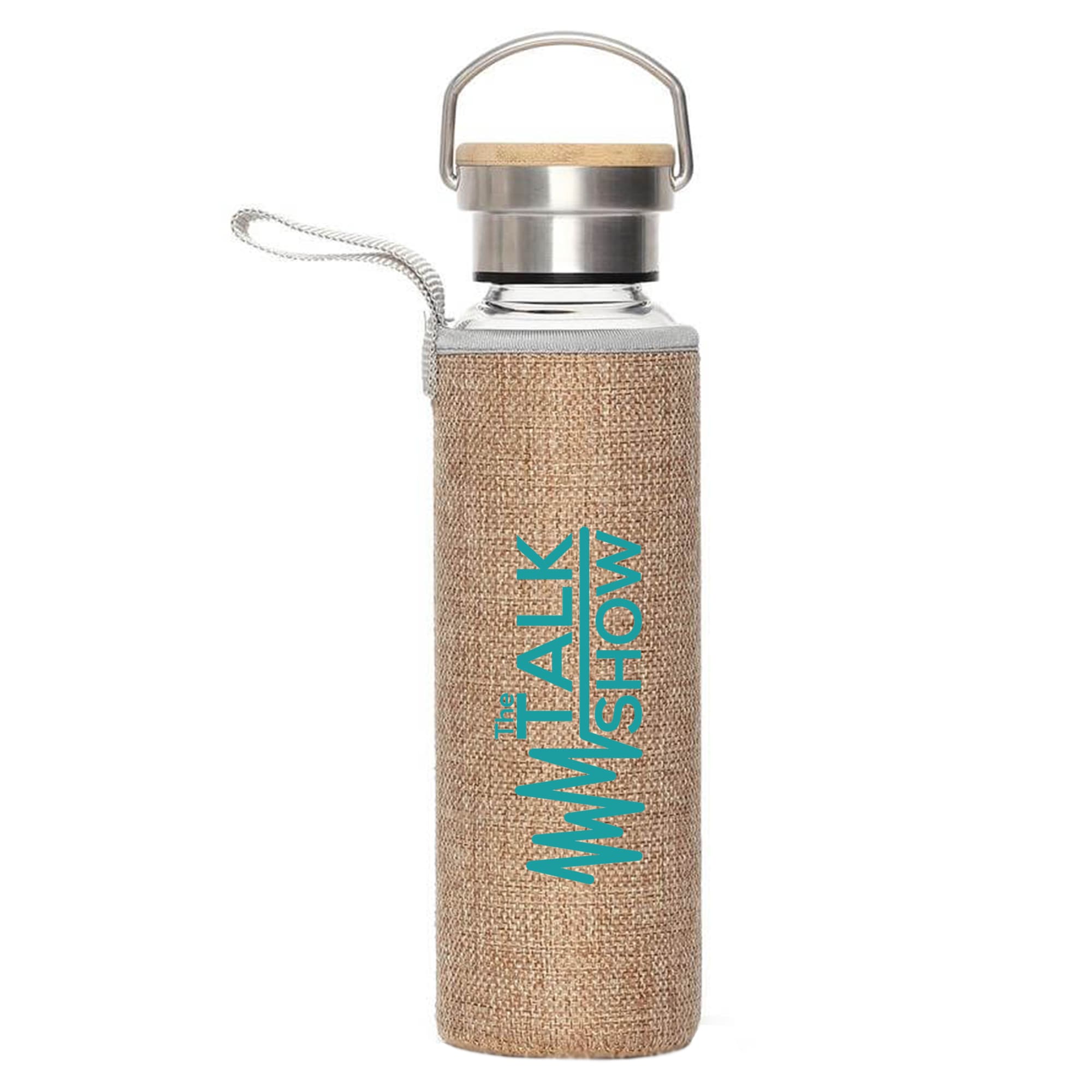
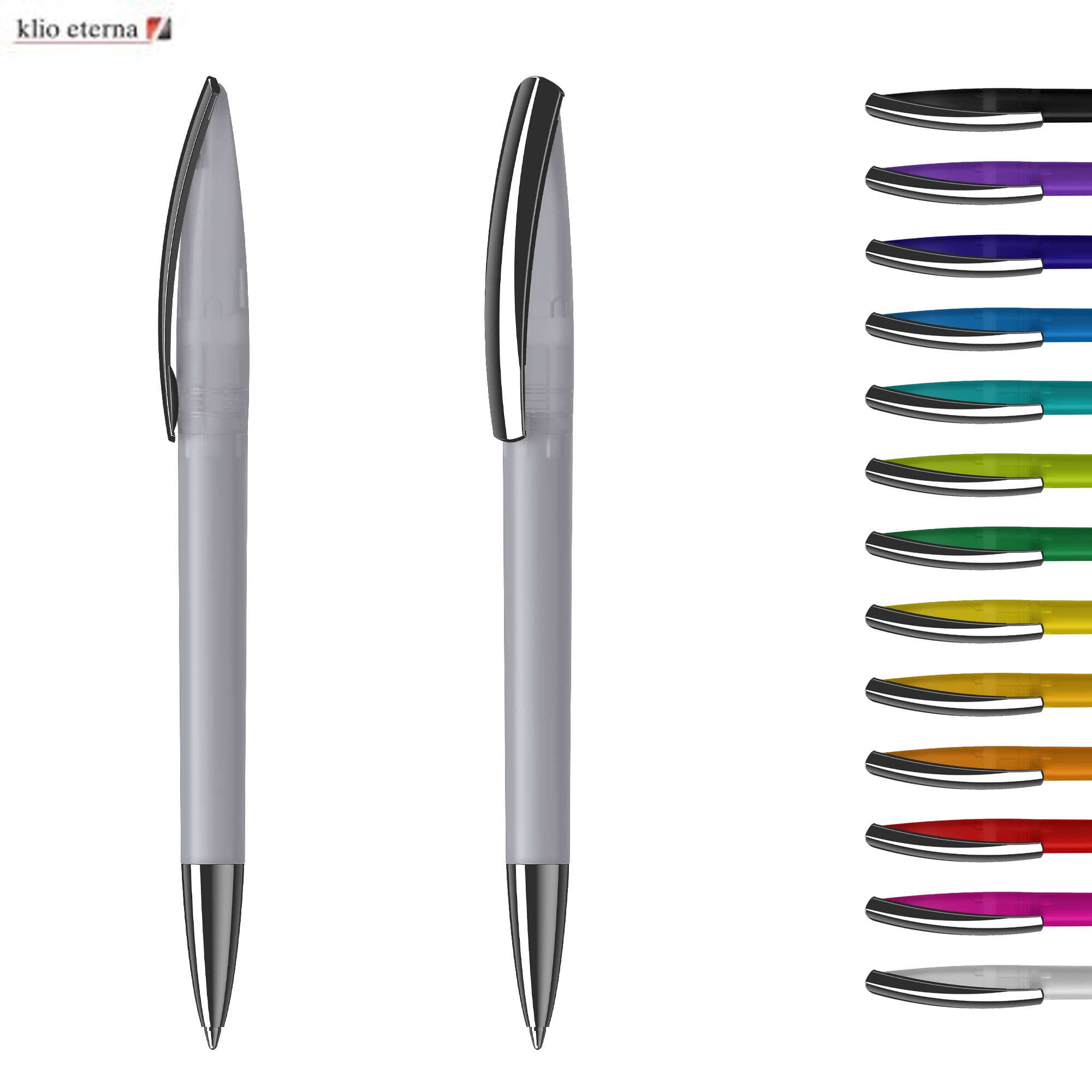
Common promotional products include pens, tote bags, notebooks, lanyards, keychains, magnets, water bottles, phone stands, and other practical giveaway items.
The same item can become official merchandise or a promotional product depending on how it is designed, priced, distributed, and used.
Official merchandise builds identity and loyalty. Promotional products build visibility and campaign exposure.
Official merchandise is often sold or treated as a premium item. Promotional products are usually free giveaways.
Official merchandise often needs retail-ready quality. Promotional products need practical quality that fits the campaign budget.
Official merchandise may use cleaner, more wearable designs. Promotional products often use clearer logos and direct branding.
For example, a T-shirt can be official merchandise if it is designed as a retail product for fans to buy. The same T-shirt can be a promotional product if it is ordered in bulk and given away at a trade show.
Simple rule: If people are expected to buy it, collect it, or value it, it is closer to official merchandise. If it is mainly given away to promote the brand, it is closer to a promotional product.
Choose official merchandise when the product needs to represent the brand at a higher level and create stronger emotional or community value.
You already have loyal customers, fans, members, or followers.
You want to sell branded products or create a merchandise collection.
Your brand is connected with events, sports, music, education, lifestyle, or community.
You care about product quality, packaging, and perceived value.
You want users to wear, keep, or collect the product for a long time.
You want merchandise to support loyalty, revenue, or brand identity.
For official merchandise, details matter. Fabric weight, color matching, logo method, embroidery quality, custom labels, packaging, and product presentation can affect whether people see the product as worth buying.
Choose promotional products when your main goal is reach, awareness, lead generation, or campaign support.
You are attending a trade show, exhibition, or business event.
You need giveaway items for a launch, meeting, or marketing campaign.
You want to reach many people with a controlled budget.
You need practical branded items for customers, staff, or partners.
You want your logo to appear in daily use.
The item does not need to be sold as a retail product.
Promotional products work best when they are useful, easy to distribute, and relevant to the audience. A simple pen, tote bag, notebook, or bottle can still be effective if people use it repeatedly.
Yes. Many brands use both, but each product should have a clear role.
Free tote bags, pens, lanyards, notebooks, or simple drinkware can help attract attention at events, campaigns, and trade shows.
Premium hoodies, caps, tumblers, gift boxes, or limited-edition items can support fan engagement, customer loyalty, and brand value.
For example, a company may give away tote bags at a trade show, while selling premium hoodies or drinkware through its official store. The giveaway creates exposure; the merchandise creates deeper brand connection.
Before choosing products, decide what result the item should create.
Will the product be sold or given away?
If it will be sold, focus on quality, design, and perceived value. If it will be given away, focus on cost, usefulness, and distribution efficiency.
Who will receive it?
Fans, members, and loyal customers may expect better merchandise. Trade show visitors may prefer practical items they can use immediately.
What is the main goal?
Choose official merchandise for loyalty, identity, or sales. Choose promotional products for awareness, leads, and campaign reach.
How long should the item represent the brand?
Official merchandise should last longer and feel more brand-consistent. Promotional products can be more campaign-specific.
Does packaging matter?
Packaging can increase the value of official merchandise. For promotional products, simple and efficient packaging is often enough.
A common mistake is treating every branded item the same. This can lead to wrong product choices, weak campaign results, or wasted budget.
Cheap products may work for simple giveaways, but they can hurt brand value if used as official merchandise.
Large logos can work for giveaways, but official merchandise often needs a more wearable and balanced design.
The right product should match how the audience will use it, not just what is easy to customize.
If a product is too expensive for mass giveaways, it may not be practical as a promotional item. If a product feels too basic to buy or keep, it may not work as official merchandise.
Official merchandise and promotional products can look similar, but they are used for different goals.
Official merchandise is built for brand loyalty, perceived value, and long-term engagement. Promotional products are built for awareness, practical use, and high-volume exposure.
If your goal is to reach more people quickly, promotional products are usually the better choice. If your goal is to create products people want to buy, keep, wear, or collect, official merchandise is the stronger option. For many brands, the best strategy is to use both with clear roles.
Gopromo helps brands, organizations, events, and project teams create custom merchandise and promotional products, including apparel, bags, drinkware, office items, outdoor products, and more. Whether you need retail-ready merchandise or practical giveaway items, our team can support product selection, customization, packaging, and bulk order planning.
Contact Us