Hit enter to search
CLOSE
Official merchandise for universities works so consistently because it already has a natural audience, and it can meet several needs at the same time: belonging, memory, school pride, and everyday use. Students want products that fit campus life. Alumni want products that keep an emotional connection to their university. Visitors often want a simple and meaningful keepsake.
This gives universities a very strong merchandise foundation. Unlike many brands that first need to create identity, universities already have built-in communities, traditions, symbols, events, and loyalty. That makes university merchandise easier to understand and easier to sell when the product choices are right.
In simple terms, campus merchandise is stable not just because people like logos, but because the products connect directly to real life. A hoodie is worn to class. A notebook is used in lectures. A tote bag is carried across campus. A mug sits in a dorm or office. When products fit those daily routines, they become much stronger than one-time souvenirs.
Universities are naturally strong in merchandise because they already have what many brands are trying to build: identity, community, repeated contact, and emotional meaning. Students spend years connected to the institution. Alumni often keep that connection long after graduation. Families and visitors also see the campus as a place with status, memory, and personal significance.
Another major advantage is visibility. Campus life creates many natural use moments for merchandise. Students live with these products in real environments, not only during special events. They wear hoodies in class, carry branded totes to the library, use bottles while moving between buildings, and keep notebooks, folders, or desk items in daily rotation. That repeated use strengthens the value of the merchandise far beyond a one-time purchase.
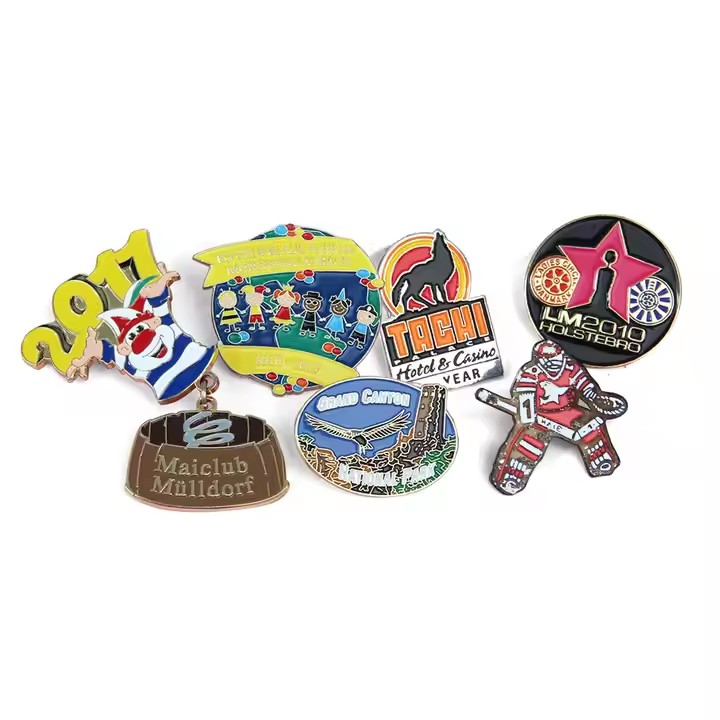
Universities also benefit from built-in symbolism. School colors, mascots, logos, faculties, graduation years, events, and traditions all create strong material for merchandise design. This helps products feel meaningful without requiring too much explanation. People already understand what the symbols stand for.
Not every campus audience buys for the same reason. Some products are driven by daily use, some by sentimental value, and some by the need for a simple keepsake. When universities understand these differences, their merchandise programs become much more effective.
| Audience Group | What They Usually Buy | Main Buying Reason | Best Product Direction |
|---|---|---|---|
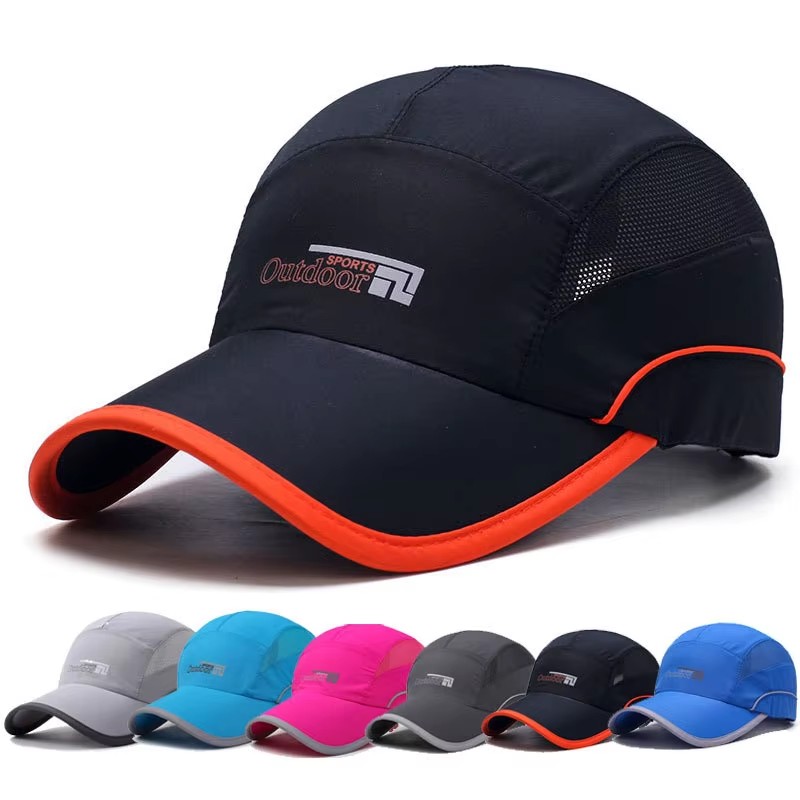
| Students | Hoodies, T-shirts, tote bags, notebooks, bottles, caps | Daily use, group identity, campus pride, comfort | Practical products that fit study life and casual wear |
| Alumni | Premium apparel, mugs, desk items, gift sets, anniversary editions | Memory, pride, long-term connection, gifting | More refined products with stronger emotional or commemorative value |
| Visitors and families | Tote bags, mugs, postcards, caps, small keepsakes | Souvenir value, memory, easy gift purchase | Accessible products that are easy to understand and easy to carry |
| Faculty and staff | Desk accessories, mugs, notebooks, apparel, branded office products | Institutional identity, usefulness, internal belonging | Useful products that fit work and campus life naturally |
| Special-event buyers | Graduation items, reunion collections, event-limited products | Commemoration, milestone moments, emotional memory | Limited-edition or date-linked products with stronger keepsake value |
Practical products usually win on campus because they enter real routines. Students do not need more objects that sit on a shelf. They respond better to products that solve everyday needs while also carrying school identity. This is why university hoodie sales, campus tote bags, bottles, notebooks, and similar products often perform more consistently than purely decorative items.
Practical products also create more repeated visibility. A hoodie worn to class, a tote taken to the library, or a bottle used during sports or commuting gives the university many more impressions over time than a one-time souvenir. That repeated use is valuable because it keeps the school identity present in daily life.
This does not mean decorative or commemorative merchandise has no place. It does. But the most stable campus merchandise programs usually start with strong practical categories and then layer in commemorative products for graduation, reunions, fundraising, sports events, or special institutional milestones.
In other words, the strongest college merchandise ideas usually balance two things: usefulness and emotional meaning. If a product can do both, it becomes much easier to sell and much easier to keep.
This is why universities continue to perform well in official merchandise. They already have strong identity, strong audiences, and strong product-use environments. When the merchandise reflects how people actually live on and around campus, the demand becomes very stable.
In the end, university merchandise works because it connects pride with practicality. It is not only something people buy to remember their school. It is something they can carry, wear, and use while keeping that connection visible every day.