Hit enter to search
CLOSE
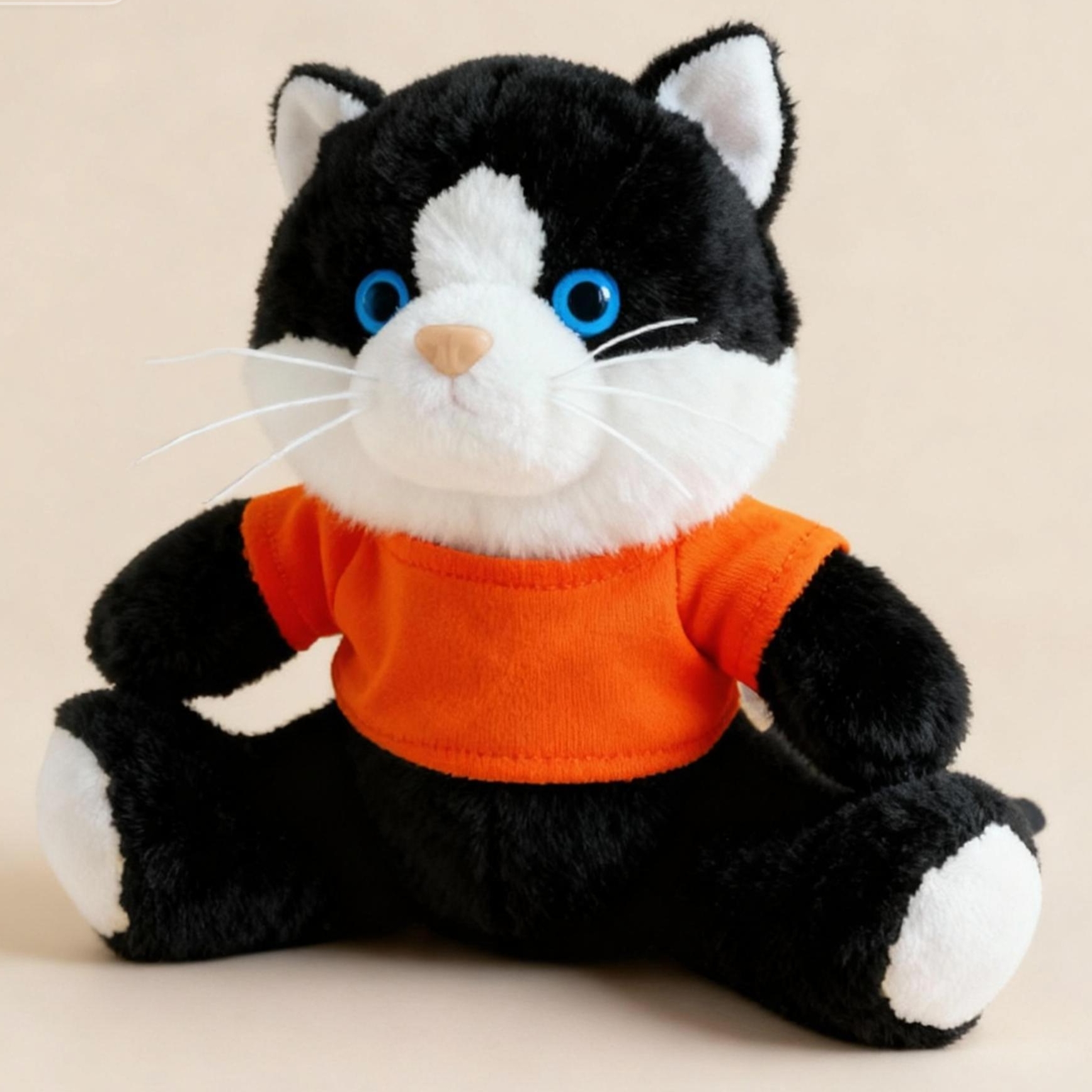
The main reason fans buy official merchandise for sports teams is often not pure need. In many cases, the stronger drivers are emotional identification, belonging, loyalty, and the feeling of taking part in the moment. A supporter may already own enough caps, shirts, or scarves, but still buy another one because the product represents a team, a season, a memory, or a shared experience.
This is why sports team merchandise performs differently from ordinary retail products. Fans are not only comparing price, function, or convenience. They are also responding to identity. They want to show who they support, feel closer to the club, and carry part of the match-day atmosphere into everyday life.
In simple terms, people often buy official sports merchandise because it helps them feel part of something bigger than the product itself. That is what makes fan merchandise such a powerful category, and it is also what many other brands can learn from.
Fans do not buy like ordinary shoppers. A normal customer may ask, “Do I need this?” A fan is more likely to ask, “What does this say about my team, my memory, or my place in the community?” That is why official sports merchandise can feel much more emotional than standard branded products.
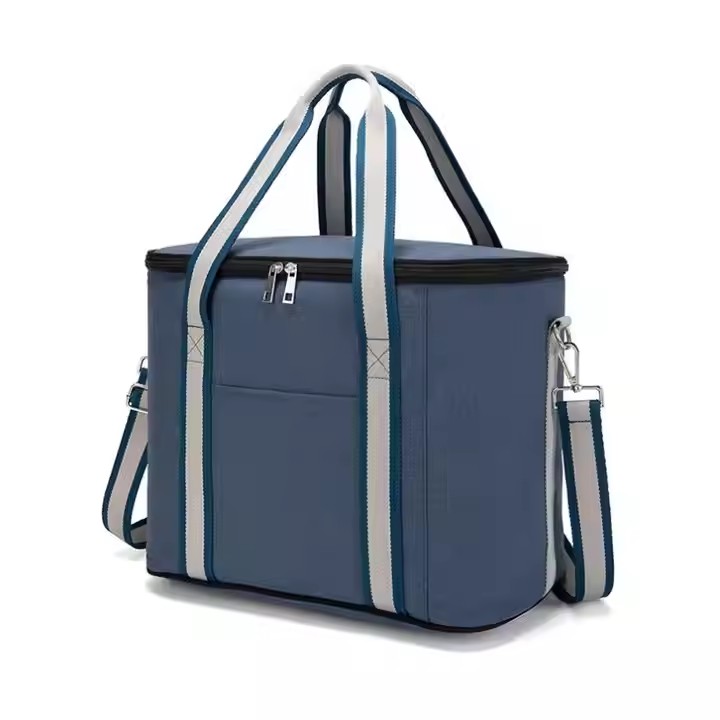
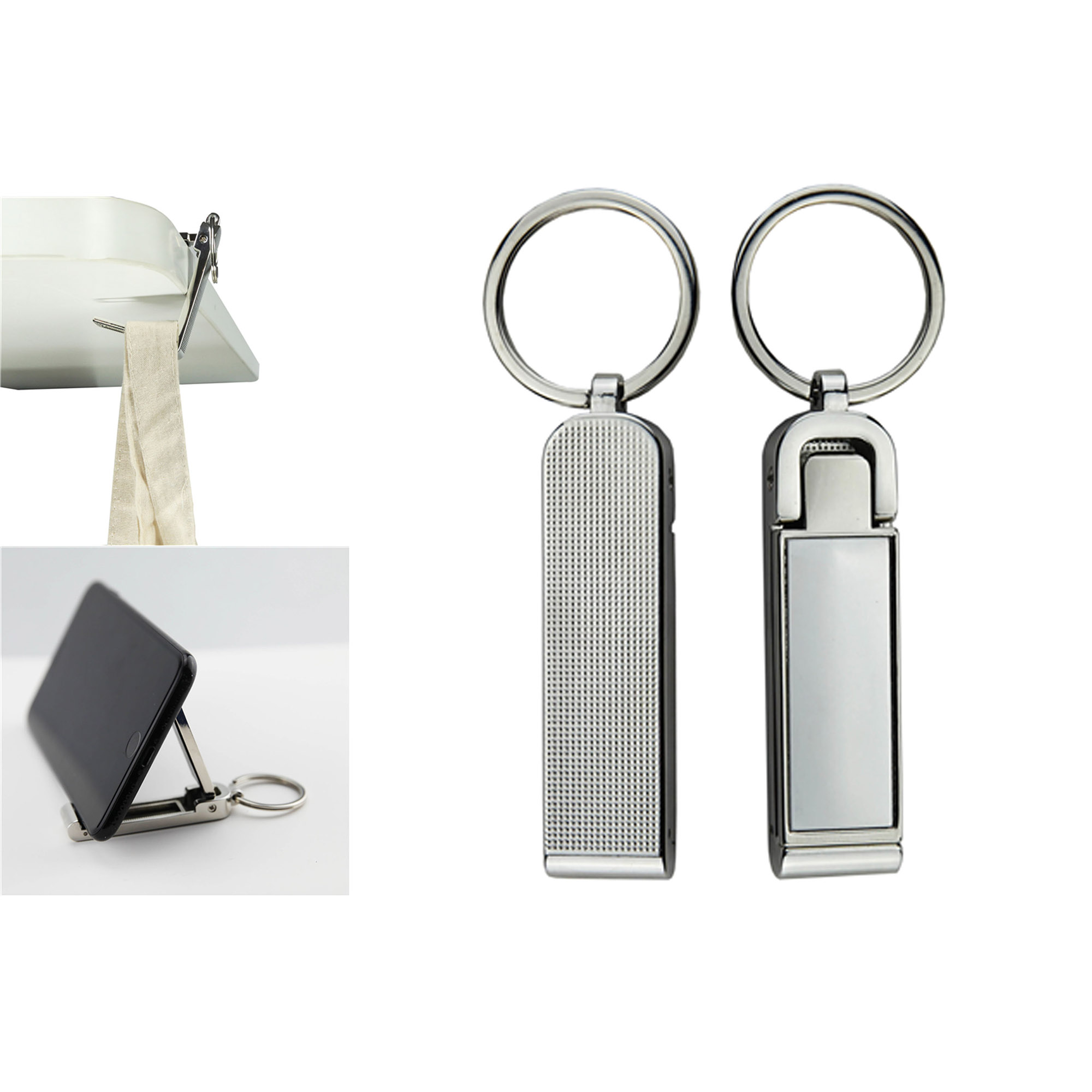
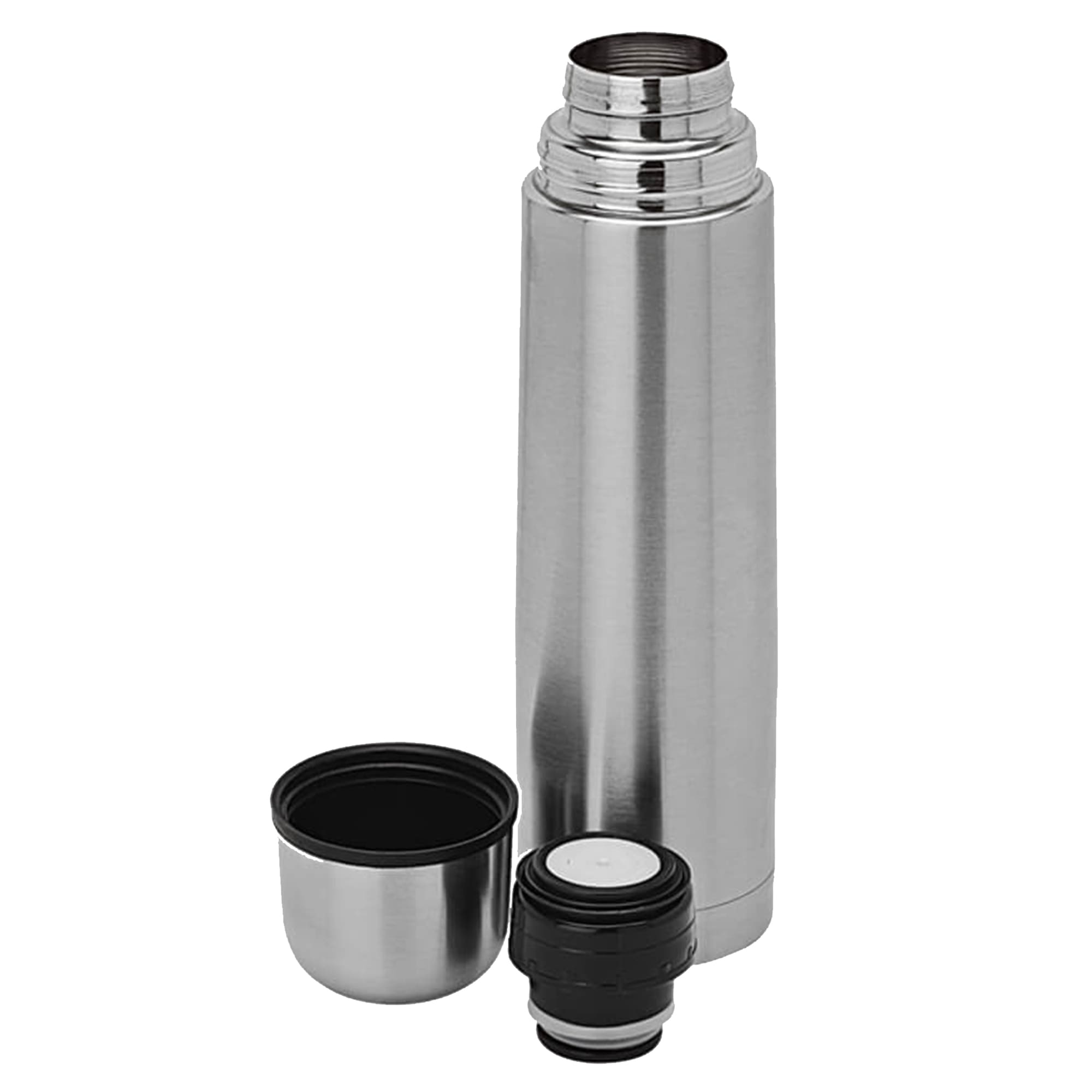
Identity plays a central role. Wearing a jersey, cap, scarf, or hoodie is a way to show public support. It signals loyalty, participation, and belonging. Even smaller items such as pins, keychains, water bottles, or tote bags can carry the same function. They are not only objects. They are visible signs of connection.
This becomes even stronger around live events. On match day, emotions are higher, group energy is stronger, and buying feels more immediate. A product purchased near the stadium or during a big game often carries more meaning because it becomes tied to a specific memory. A shirt bought after a win, a scarf from a rivalry match, or a limited-season cap can feel worth more to the fan than its practical value alone.
But fan identity does not stop when the game ends. The strongest sports teams build merchandise programs that work both inside and outside the stadium. They offer products for the emotional intensity of match day and products that fit into normal daily life. This is where demand expands beyond occasional souvenir buying and becomes a broader retail system.
Strong team merchandise programs usually work across two different buying situations. One is the emotional, high-energy environment of game day. The other is normal everyday life, where fans still want products that reflect their team identity but in a more practical or wearable way. Understanding this difference helps teams build better product mixes and helps other brands understand how to serve emotion and routine at the same time.
| Merchandise Type | Game Day Merchandise | Everyday Sports Merchandise |
|---|---|---|
| Main buying trigger | Excitement, event participation, match atmosphere | Lifestyle fit, daily use, quiet identity expression |
| Common products | Jerseys, scarves, foam items, rally towels, match-day caps, limited-edition pieces | Hoodies, casual tees, bottles, bags, mugs, notebooks, accessories |
| Usage timing | Used immediately before, during, or right after the match | Used at work, at home, while commuting, or in casual daily settings |
| Design emphasis | High emotion, bold team colors, season or game references | More wearable, more subtle, easier to fit into routine use |
| Sales strength | Strong in spikes around live events and special moments | Stronger for steady sales and longer-term brand presence |
| Why it matters | Turns live emotion into immediate spending | Keeps the team visible in fans’ lives between games |
The biggest lesson is that people do not always buy merchandise for practical need. They often buy because the product helps them express who they are, what they support, and what kind of group they belong to. Sports teams understand this very well, but the idea is useful far beyond sports.
Brands in music, coffee, events, museums, fitness, creator communities, and lifestyle retail can all learn from this. The stronger the community feeling, the easier it becomes for merchandise to mean more than the product itself. Once buyers feel connected to a shared identity, a product can become a symbol rather than only a functional item.
Another lesson is the importance of serving both high-energy moments and normal daily life. Sports teams do not rely only on jerseys for big games. They also build collections for everyday wear and use. That is a smart model for many brands. If a collection only works during one campaign, demand stays limited. If the merchandise also fits daily life, the brand can keep selling long after the main event is over.
This is why fan-based buying behavior matters so much. It shows that official merchandise is strongest when it becomes part of a relationship. Fans buy more than they need because the product gives them a way to hold onto emotion, community, and identity. That emotional logic can be extremely valuable for other brands when used well.
In the end, sports teams prove a simple point: merchandise sells best when it stands for something bigger than the object itself. When brands understand that, they can create stronger demand, stronger loyalty, and stronger long-term value from their merchandise programs.