Hit enter to search
CLOSE
Official merchandise is not just a logo printed on a product. It is a complete brand expression created through the product itself, the visual style, the packaging, the usage scenario, and what the customer expects to feel when receiving or using it.
This is the real difference between ordinary branded items and official merchandise. A random product with a logo may create basic visibility, but it often stops there. Official merchandise goes further. It is chosen and designed so the item actually fits the brand, feels worth keeping, and supports a stronger brand identity over time.
In simple terms, official merchandise should make people feel that the product belongs to the brand naturally. If it looks disconnected, low-effort, or generic, then it is usually just a logo application. If it feels coherent, useful, and aligned with the brand experience, then it starts to become real merchandise.
A logo can help people recognize a brand, but recognition alone does not automatically create value. If the product itself feels unrelated, low quality, or uninteresting, the logo does very little beyond showing the brand name once. That is why simply printing a logo on an item does not make it official merchandise.
Customers judge merchandise as a whole, not only by the logo. They notice the product type, the material, the usefulness, the colors, the finish, and whether the item feels like something the brand would realistically offer. If those parts do not match, the logo can even make the product feel more forced instead of more professional.
This is why many low-cost branded items are quickly forgotten. They may show the brand clearly, but they do not give people a reason to care about the product itself. Official merchandise works differently because it gives the logo a better context. The logo is part of the experience, not the entire strategy.
Product fit means choosing items that make sense for the brand, the audience, and the way people will actually use them. This changes the outcome completely because the right product can make the merchandise feel natural, while the wrong product can make it feel random even if the design looks acceptable.
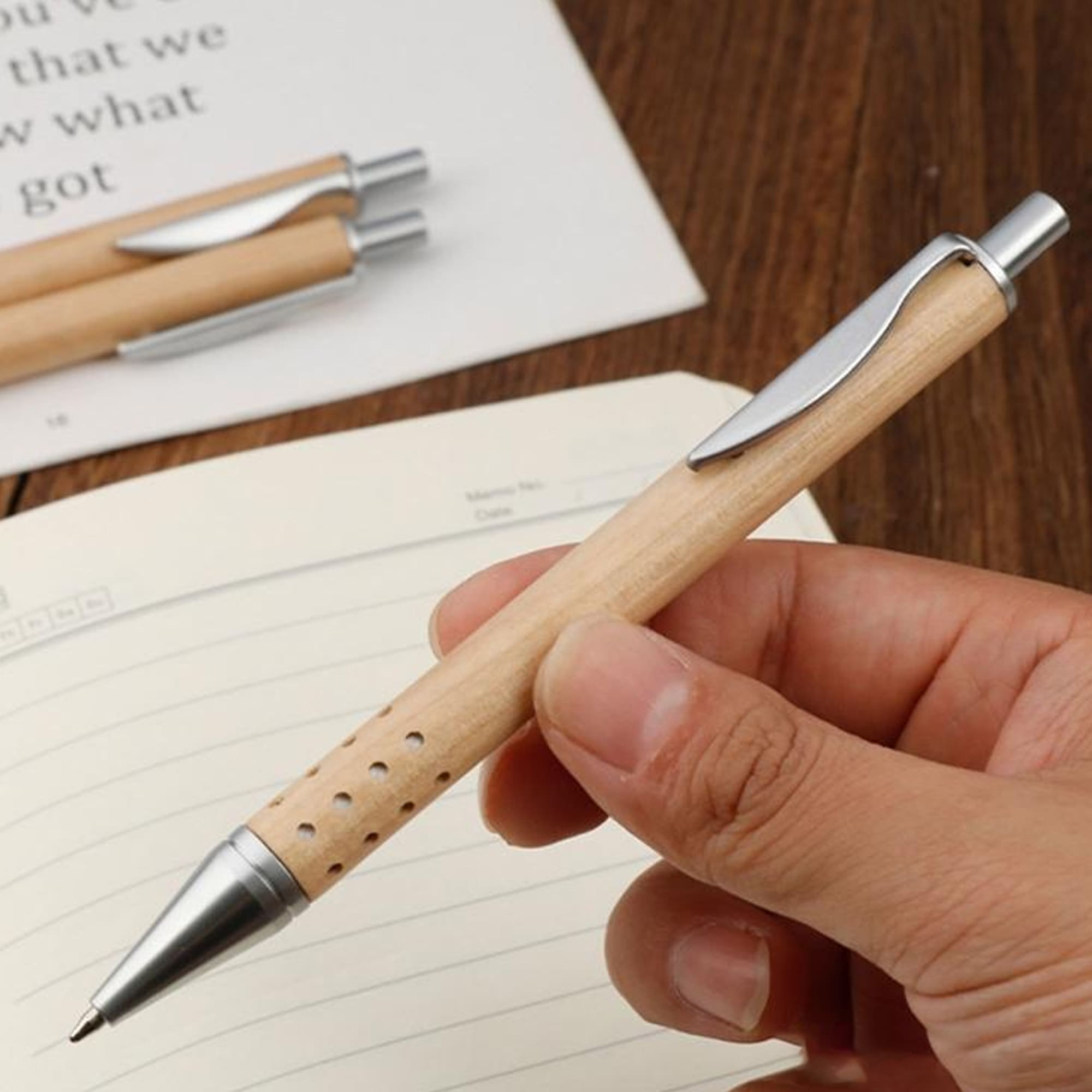
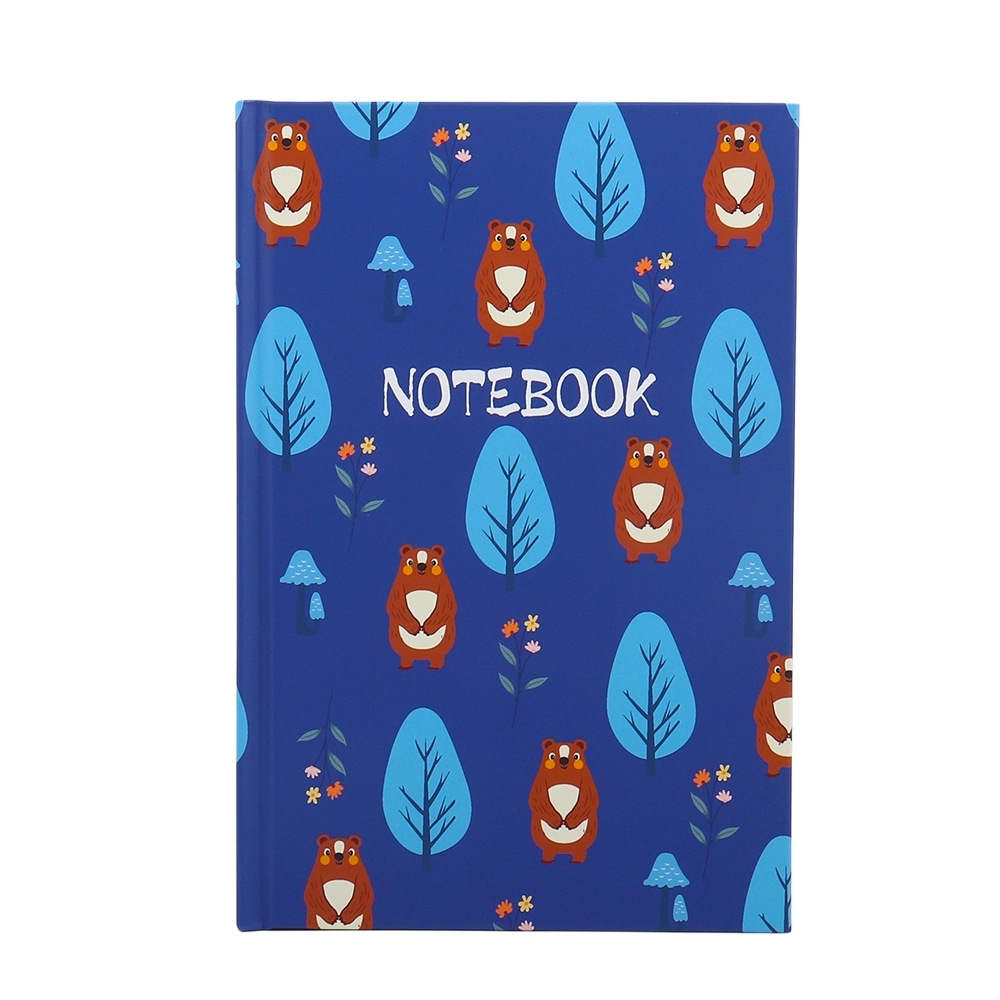
For example, a café brand may feel natural on mugs, tumblers, tote bags, or casual apparel because these products connect directly with daily rituals and lifestyle. A bookstore may fit notebooks, reading accessories, and bags. A museum may fit curated gift items and design-led stationery. A tech company may fit clean desk products, event merchandise, or community wear. The product choice tells people whether the brand understands itself.
When the product fits, customers do not need a long explanation. They understand the item immediately. It feels relevant, useful, and believable. That is one of the strongest signs of good official merchandise.
| Approach | What the Customer Feels | Likely Result |
|---|---|---|
| Random product + logo | It feels generic or only promotional | Short-term notice, weak long-term memory |
| Relevant product + logo | It feels more useful and more believable | Better use, better recall, better brand fit |
| Relevant product + brand-led design + clear scenario | It feels intentional and worth keeping | Stronger official merchandise value and stronger identity expression |
Packaging and presentation matter because customers do not judge a product only after they use it. They start judging it the moment they see it, receive it, unwrap it, or encounter it in a retail or event setting. That first impression strongly affects whether the merchandise feels valuable or forgettable.
A product with thoughtful presentation feels more complete. Even simple items can feel more brand-led when the packaging, tag, label, insert card, or display style supports the same visual language. On the other hand, weak presentation can make even a decent product feel cheap, rushed, or disconnected from the brand.
This is especially important when official merchandise is sold, included in gift sets, used at launches, or shared on social media. Good packaging does not have to be expensive, but it should feel considered. It should help the product look like part of a real brand system instead of a standalone item with a logo added later.
Merchandise feels intentional when all the important parts work together clearly. The product type fits the brand. The visual style fits the product. The packaging supports the same message. The use scenario makes sense. And the customer can immediately understand why this item exists.
This sense of intention is what separates official merchandise from ordinary branded items. Customers may not use the word “strategy,” but they can still feel when a product has been chosen carefully. They notice when the product looks coherent, when the colors and materials make sense, and when the item feels worth using or keeping.
In practical terms, intentional merchandise usually has a clear purpose. It may be designed for retail, community building, events, loyalty programs, or daily brand visibility. It does not exist just because the brand wanted to put its logo somewhere. It exists because the item plays a real role in the brand experience.
If the answer to these questions is mostly yes, the merchandise is much more likely to feel complete and convincing. That is when customers stop seeing it as “just another branded product” and start seeing it as something genuinely connected to the brand.
So what makes official merchandise different from simply putting a logo on a product? The answer is not one single element. It is the combination of product fit, visual consistency, packaging, usage scenario, and customer expectation. When these parts work together, the result feels intentional. And that is when a branded item becomes real merchandise.