Hit enter to search
CLOSE
Seasonal merchandise is designed for a particular season or occasion, while evergreen merchandise stays relevant and can be sold throughout the year.
Imagine a sports team selling its regular logo T-shirts and caps throughout the year. Then, when the championship arrives, it releases a special collection featuring the event's artwork and colors. The first group is evergreen merchandise. The second is seasonal merchandise.
Both have a place in an official merchandise collection. The important question is not which one is better, but when each type makes sense for your brand and audience.
Before deciding whether a product should be seasonal or evergreen, think about why someone would want to buy it.
A fan might buy a T-shirt with their favorite team's logo because they want to wear it whenever they like. Someone else might buy a special scarf because it features the artwork of a championship tournament they have been following.
Both products have value, but for different reasons.
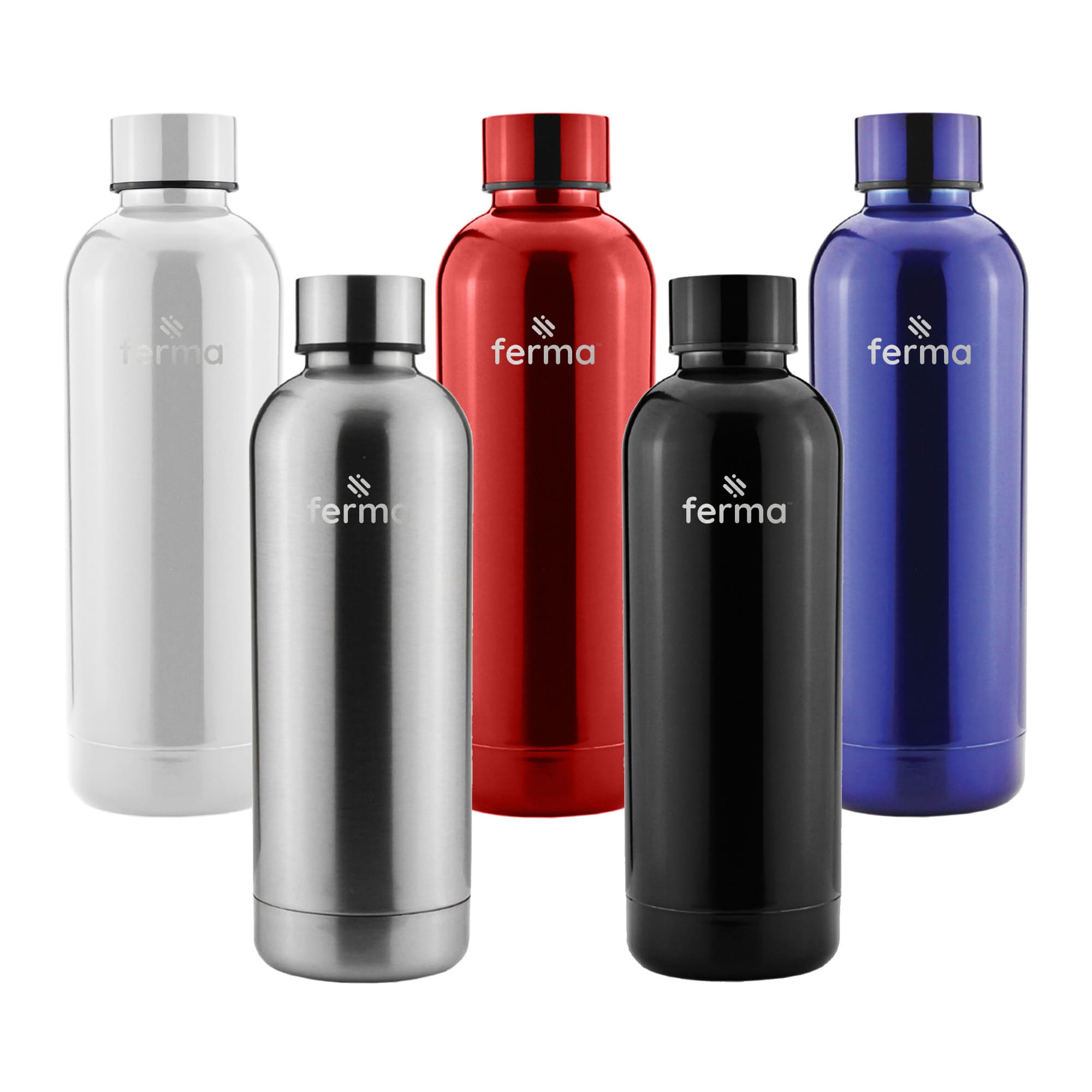
Evergreen merchandise usually has a lasting connection to the brand, team or character. It does not depend on a particular date. Basic T-shirts, caps, tote bags, mugs and popular character accessories can remain relevant for a long time.
Seasonal merchandise has a more specific reason for existing. Its appeal may come from a holiday, a summer activity, a concert tour, a tournament or a special anniversary.
This is why product selection should start with the audience. What do they want to use regularly, and what would make them interested in a new collection at a particular time?
Seasonal products have one important challenge: timing.
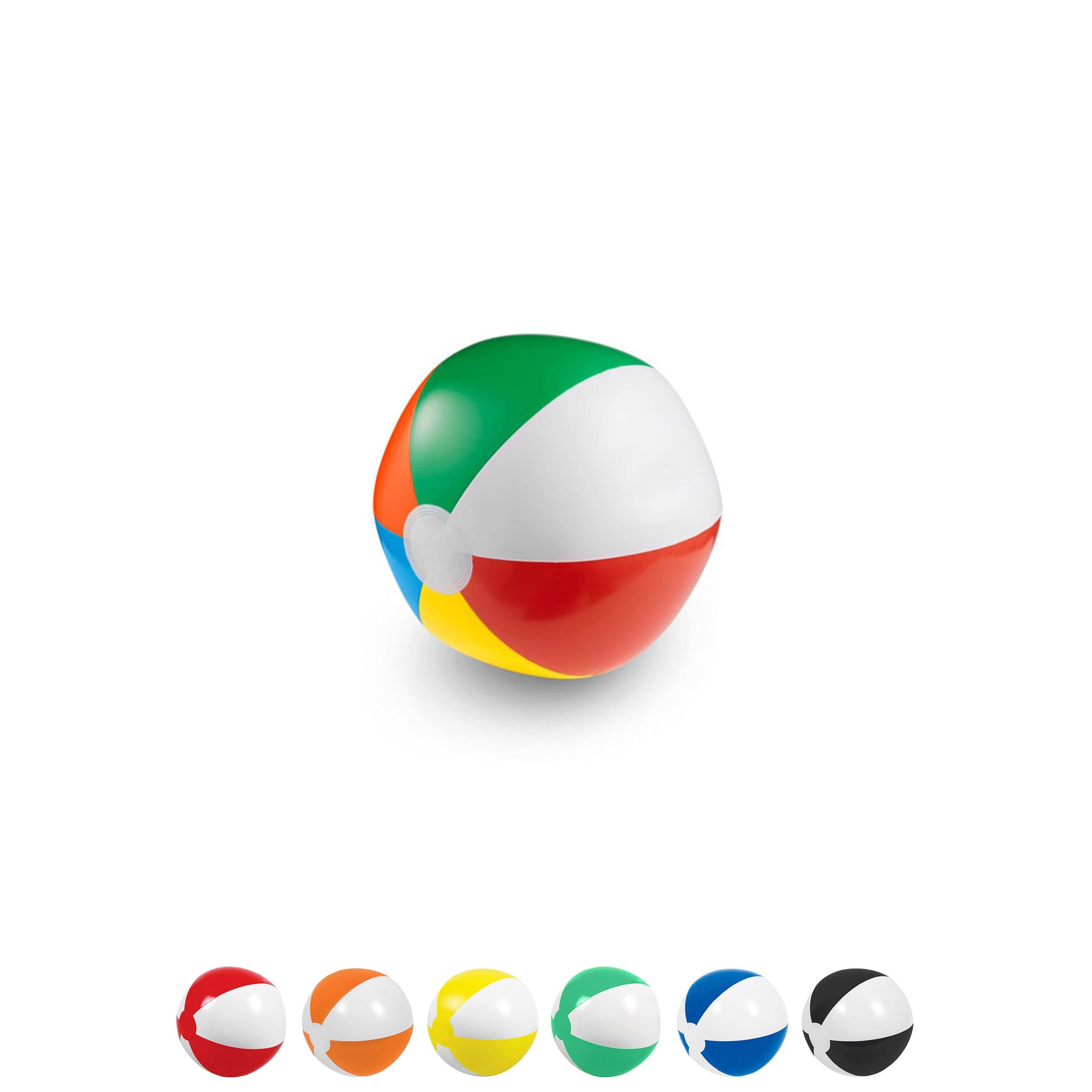
A Christmas-themed mug is most relevant before and during the holiday season. A summer beach accessory makes more sense when people are planning outdoor activities. Once that period passes, interest may drop.
This does not mean seasonal merchandise is a bad choice. In fact, a special collection can give customers a reason to return and explore something new.
Think about a music artist releasing tour merchandise. A regular logo T-shirt may be available all year, but a tour-specific shirt featuring the cities and dates has a much stronger connection to that particular event.
The challenge is making sure the products are ready when people want them. Artwork approval, sampling, production, packaging and shipping all take time. If a seasonal collection arrives after the holiday or event, much of its original purpose may already be gone.
Timing affects more than just the release date. It also affects how much unsold stock a brand may have to deal with.
Imagine preparing 500 summer-themed tote bags for an outdoor festival. If the products arrive after the festival, customers may no longer have the same reason to buy them.
The brand then has to decide what to do with the remaining stock. It may keep the products for another event, sell them at a lower price or store them until a suitable opportunity comes along.
Evergreen merchandise is generally more flexible in this situation. A regular branded tote bag can still be sold in autumn or winter because its design is not tied to one particular occasion.
For seasonal collections, it is worth planning production around the actual selling period rather than simply the date you want to launch.
One advantage of evergreen merchandise is that it can remain available long enough for brands to understand what customers actually like.
For example, a brand may start with three T-shirt designs. After several months, it may find that one design sells consistently better than the others. It can then focus on that design, introduce new colors or use the same artwork on other products.
The same idea applies to keychains, caps, drinkware and other everyday merchandise.
There is no need to guess everything correctly in the first collection. Customer feedback, repeat orders and sales patterns can help brands make better decisions over time.
Of course, this depends on the product remaining relevant and the brand having the rights to continue selling it. Licensed merchandise may have specific approval periods or agreements that affect how long a design can stay available.
Seasonal merchandise is especially useful when something gives the audience a reason to pay attention right now.
That could be a holiday, a major sports event, a new game release or a brand anniversary. These occasions create natural opportunities to introduce fresh designs without changing the entire regular collection.
Consider a few examples:
Sports teams: Keep regular team-logo products available throughout the year, then introduce championship or tournament-themed merchandise.
Music artists: Maintain basic artist merchandise while releasing special products for album launches and concert tours.
Gaming communities: Offer popular character merchandise all year and add new designs for game launches or seasonal in-game events.
Entertainment brands: Keep recognizable character products in the collection while introducing holiday-themed accessories and collectibles.
The goal is not to create a new collection for every occasion. It is to find moments that genuinely matter to the audience and choose products that fit those moments.
For brands building a new merchandise collection, starting with a few evergreen products is often a practical approach.
Choose items that represent the brand well and have a clear reason for customers to buy them. These might be basic apparel, everyday accessories or popular character products.
Once you understand which products your audience prefers, seasonal releases become easier to plan. You already have an idea of what sells, which designs people recognize and what types of products are worth developing further.
Established brands can take a different approach. If their regular collection is already well known, seasonal products can help keep things interesting and give existing customers something new to discover.
Neither approach needs to be complicated. A small, well-planned seasonal collection can work alongside a regular range without replacing it.
Before placing a merchandise order, ask yourself a few simple questions:
Will customers still want this product several months from now?
Is its design connected to a specific holiday, event or season?
Can the product remain in the collection without feeling outdated?
Is there enough time to approve the design, produce the items and deliver them before the intended release?
Do you have a clear idea of how many products your audience may need?
If a product has lasting appeal, it may be a good evergreen choice. If its value comes from a particular occasion, a seasonal release may make more sense.
For many brands, the strongest merchandise collections include both. Evergreen products give customers familiar items they can always find, while seasonal products bring new ideas and fresh designs at the right time.
Gopromo specializes in custom, official and licensed merchandise for brands, organizations and fan communities. Whether you are developing a year-round merchandise collection or planning products for a special season or event, contact us to discuss your ideas and product requirements.