Hit enter to search
CLOSE
Many brands begin with giveaways because they are simple, fast, and easy to distribute. But when those same brands start caring more about brand identity, customer retention, and retail value, they often move toward official merchandise.
That shift matters because giveaways and official merchandise are not trying to achieve the same result. A giveaway is usually designed for quick exposure. Official merchandise is designed to create a stronger, longer-lasting connection between the brand and the customer through products people actually want to keep, use, wear, or buy.
In simple terms, the upgrade happens when a brand stops asking, “What can we hand out?” and starts asking, “What products truly represent our brand and deserve a place in people’s daily lives?” That is the real difference between giveaway thinking and merchandise thinking.
Giveaways can be useful. They help brands reach more people quickly, support events, and create easy brand impressions at a relatively low cost. That is why they are common at trade shows, launches, pop-ups, campus activities, and marketing campaigns.
The problem is that many giveaways are designed mainly for distribution, not long-term value. The product is often chosen because it is inexpensive, easy to print, and simple to hand out in volume. This can create visibility, but the effect often fades quickly if the item is not useful, memorable, or aligned with the brand in a meaningful way.
In other words, a giveaway often succeeds at being noticed once, but fails to stay relevant afterward. That is why many brands eventually feel the limits of giveaway-based product strategy. They realize that visibility alone does not automatically create stronger brand memory, stronger customer attachment, or stronger perceived value.
| Giveaway Logic | What It Usually Delivers | What It Often Cannot Deliver Well |
|---|---|---|
| Low-cost, high-volume distribution | Fast exposure and wider reach | Stronger product value or premium brand feeling |
| Easy item selection | Convenient campaign execution | A clear product line that feels brand-led |
| One-time campaign mindset | Short bursts of attention | Long-term recall and repeat customer engagement |
| Logo-first product choice | Basic brand visibility | A stronger sense of identity, belonging, or retail appeal |
This does not mean giveaways are useless. It means they are usually the beginning of the product journey, not the final stage. Brands that want deeper results often need a more developed merchandise strategy.
The biggest change is that the brand stops treating products as one-time campaign tools and starts treating them as part of a wider brand system. This changes how products are selected, designed, packaged, presented, and used.
A merchandise program is more intentional. Instead of choosing items only for convenience or price, the brand begins to ask whether the product fits the audience, reflects the brand style, works well in daily use, and could support retail, loyalty, or long-term visibility. That is the point where product strategy becomes more mature.
This upgrade is important because it changes the role of the product itself. The item is no longer just something to carry a logo. It becomes something that carries brand identity, customer experience, and long-term value.
The shift usually happens in stages, not all at once. Most brands do not jump directly from simple giveaways to a large merchandise collection. Instead, they gradually upgrade the purpose, quality, and structure of what they offer. The process often looks like this:
This path is practical because it lets a brand learn what customers respond to before building a broader collection. It also helps avoid wasted budget on products that may look attractive at first but do not support the brand well in the long run.
One common mistake is trying to build a full merchandise collection too early. That can create unnecessary complexity, too many SKUs, and products that feel unfocused. In most cases, brands upgrade more successfully when they start with a small number of strong core items.
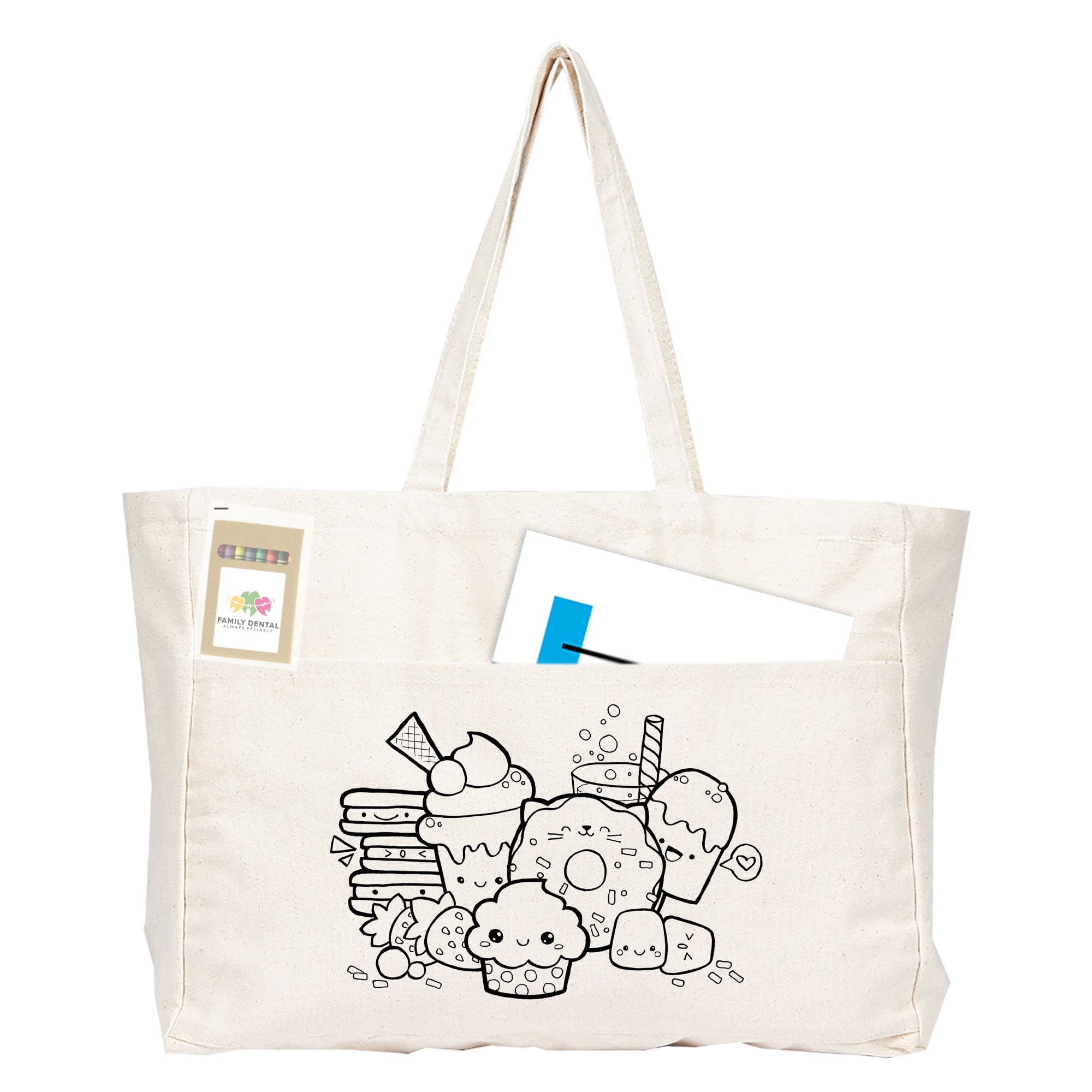
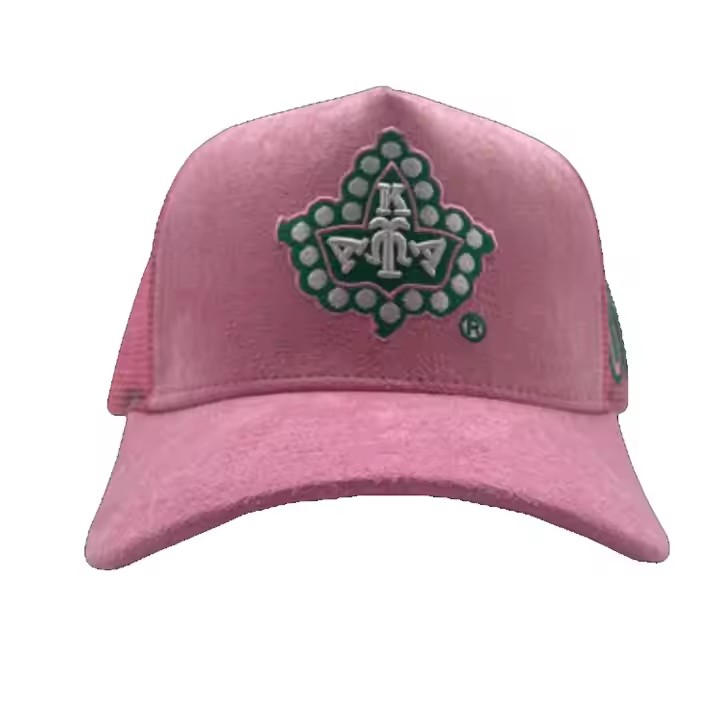
A smarter approach is to begin with products that already match the brand clearly and have a strong chance of being used or appreciated. These may include a mug, tote bag, cap, notebook, hoodie, tumbler, or a small accessory set, depending on the audience and use scenario. The goal is not to launch a large collection immediately. The goal is to launch a collection that feels coherent and intentional.
This approach works because it allows the brand to stay strategic. Instead of overloading the collection, the brand builds confidence step by step. It learns what product types fit its audience, what level of quality supports its positioning, and which items deserve to become part of a longer-term merchandise line.
The best upgrade is not the biggest one. It is the one that makes the products feel more useful, more consistent, and more aligned with the brand. That is how a brand moves from simple giveaways toward official merchandise with real long-term value.