Hit enter to search
CLOSE
For many global brands, spring is a period of recalibration. After year-end reviews and early-year forecasting, spring provides the timing to validate assortments, realign production priorities, and ensure seasonal or promotional goods meet market windows. This phase bridges planning with actual execution and helps prevent delays that impact sell-through or merchandising schedules.
Spring typically aligns with a clearer view of year-to-date sales performance and updated demand projections. Retailer feedback, wholesale reorder patterns, and distributor insights contribute to refining quantities, SKU mixes, and regional variations. Brands also evaluate whether category performance matches projections and whether assortment changes are required.
Many seasonal goods require long lead times. Spring allows procurement teams to determine if timelines remain feasible for summer, back-to-school, or Q3 promotional campaigns. Missing these windows often means missed revenue rather than delayed revenue, especially for time-sensitive categories such as apparel, accessories, and seasonal gifting.
Spring offers continuity between pre-Chinese New Year negotiations and mid-year fulfillment. Brands reassess capacity, production bandwidth, and logistics goals. Supplier-side adjustments can include pricing updates, MOQ revisions, packaging changes, or alternative materials to optimize cost or sustainability without redesigning core SKUs.
Spring remains a critical checkpoint for managing overstock or understock exposure. With market volatility, shorter fashion cycles, and unpredictable promotional calendars, inventory discipline is increasingly data-driven. When discrepancies surface, brands may rebalance inventory through reorders, assortment trimming, or phased deliveries.
Marketing teams and merchandisers often use spring as the sync point for coordinating promotional timelines with production availability. This alignment is especially relevant for summer events, outdoor campaigns, lifestyle themes, and back-to-school retail activations. Ensuring product and marketing readiness prevents bottlenecks later in the year.
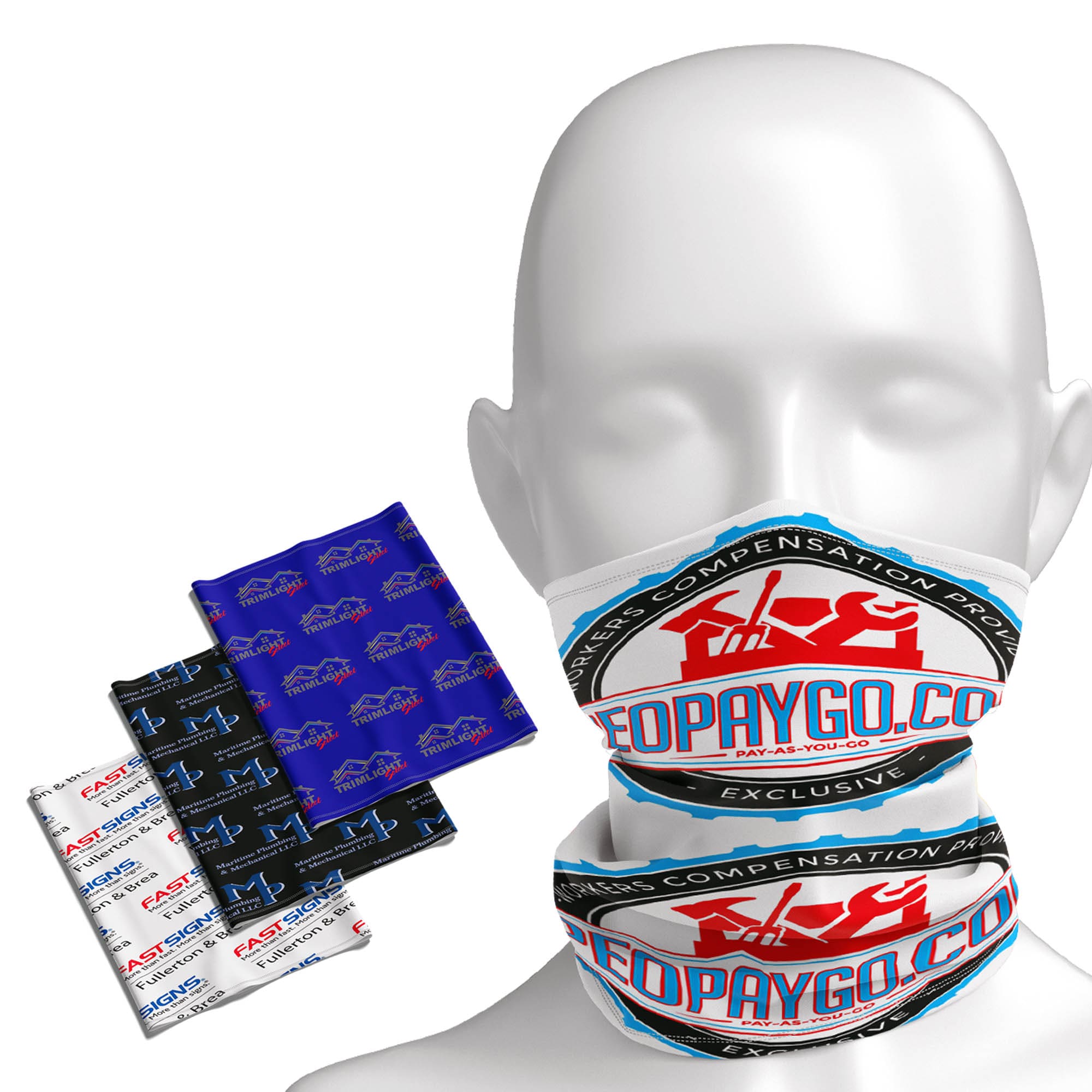
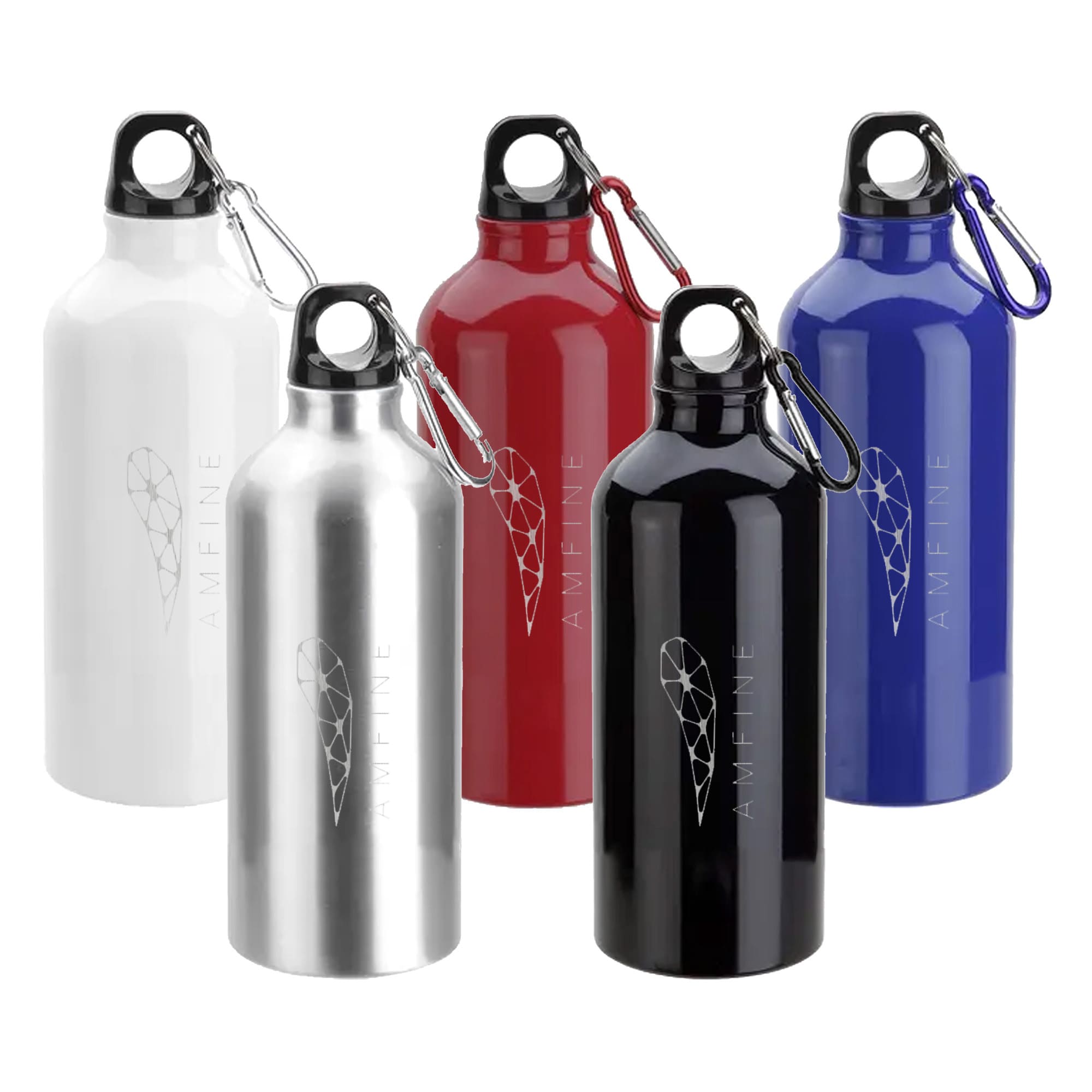
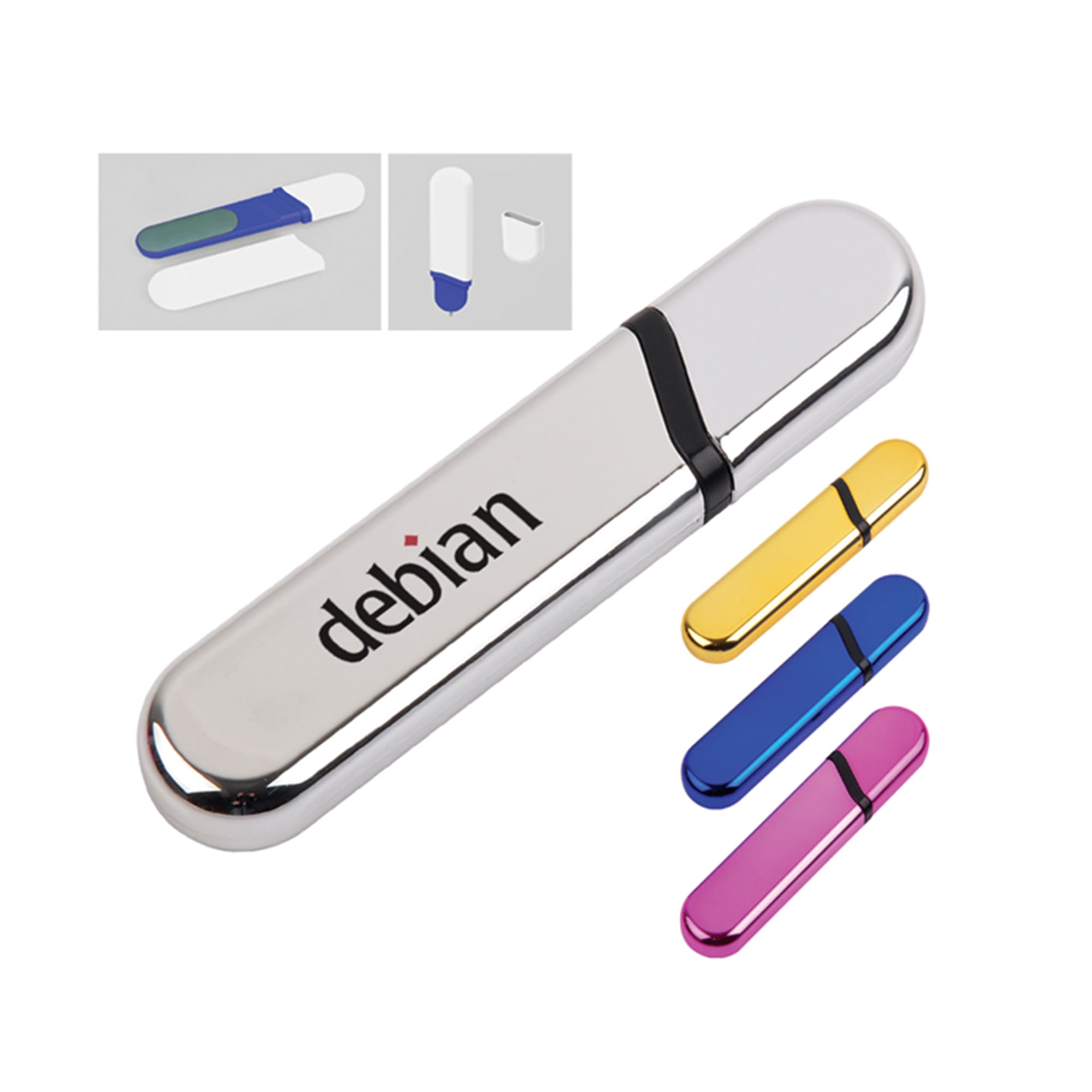
Spring planning affects a wide set of procurement categories. For promotional merchandise and private-label goods, the season is used to finalize specifications, colors, packaging, and branding details. Retailers and distributors working with wholesale promotional clothing collections or custom promotional bags assortments typically confirm production slots in spring to ensure timely delivery.
Spring does not guarantee positive sell-through, nor does planning alone ensure market success. However, the season provides brands and suppliers a structured window for recalibration. As supply chains remain sensitive to forecasting errors, spring continues to be an advantageous period for aligning expectations between planning teams, merchandisers, distributors, and manufacturing partners.