Hit enter to search
CLOSE
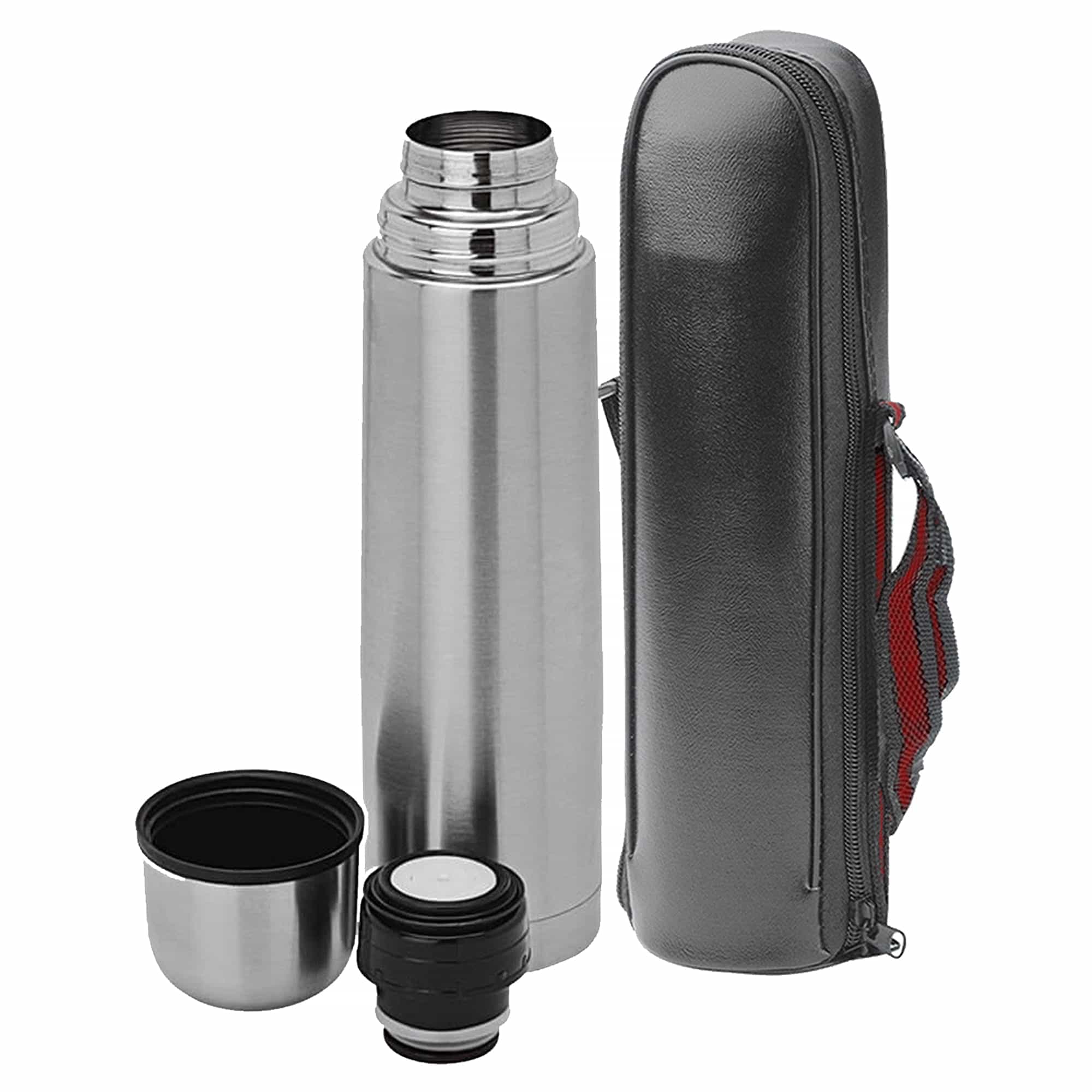
Have you ever wondered how a vacuum flask keeps your coffee hot for hours or your iced drink cold for so long? The secret isn't in the cup itself—it's in the smart science behind its design: vacuum insulation.
# The Key Is Blocking Heat Transfer
Heat naturally moves from warmer places to cooler ones. This process is called heat transfer. The main job of a vacuum flask is to block the three ways heat travels: conduction, convection, and radiation.
1. The Vacuum Layer
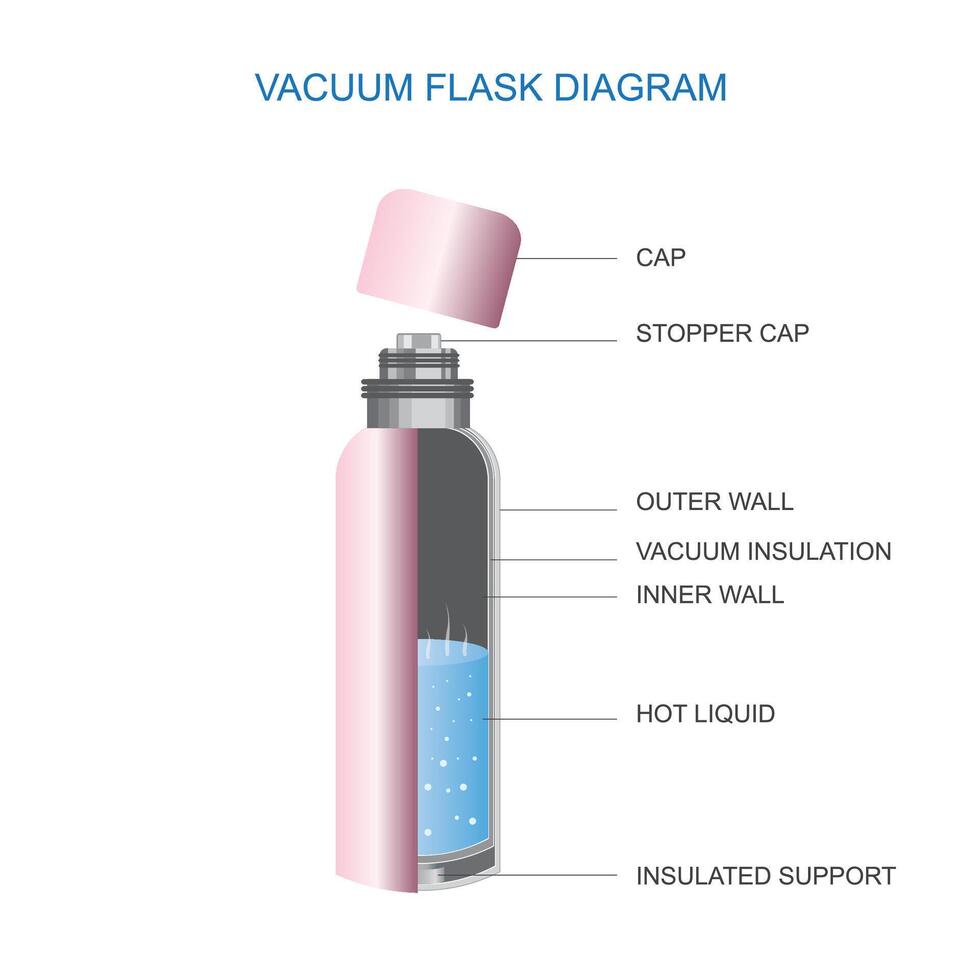
The most important part is the vacuum layer between the inner and outer walls of the flask. A vacuum means there is almost no air. Without air, heat can't escape through conduction or convection—just like how heat stays trapped in space.
2. The Shiny Inner Layer
The inside of the flask is made of stainless steel and has a smooth, mirror-like finish. This shiny surface reflects heat radiation (infrared rays), bouncing heat back into your drink instead of letting it escape.
3. The Tightly Sealed Lid
A well-designed lid prevents warm air from rising out and cool air from flowing in. It stops heat loss through convection through the opening—the last way heat can escape.
# It Works for Cold Drinks Too!
The same principle works for keeping drinks cold. The vacuum flask stops heat from the outside from entering through conduction, convection, and radiation. That's why a good thermos can keep drinks both hot and cold.
# In Summary:
Your vacuum flask works like a 3-in-1 shield:
- The vacuum layer stops conduction and convection.
- The shiny interior reflects radiation.
- The sealed lid prevents air exchange.
It's this intelligent “vacuum insulation” technology that helps your drinks stay at the perfect temperature for hours.
Tip:
- For best results, preheat your flask with hot water (or precool with cold water) before use.
- Avoid drops and impacts—they can damage the vacuum layer and reduce insulation.